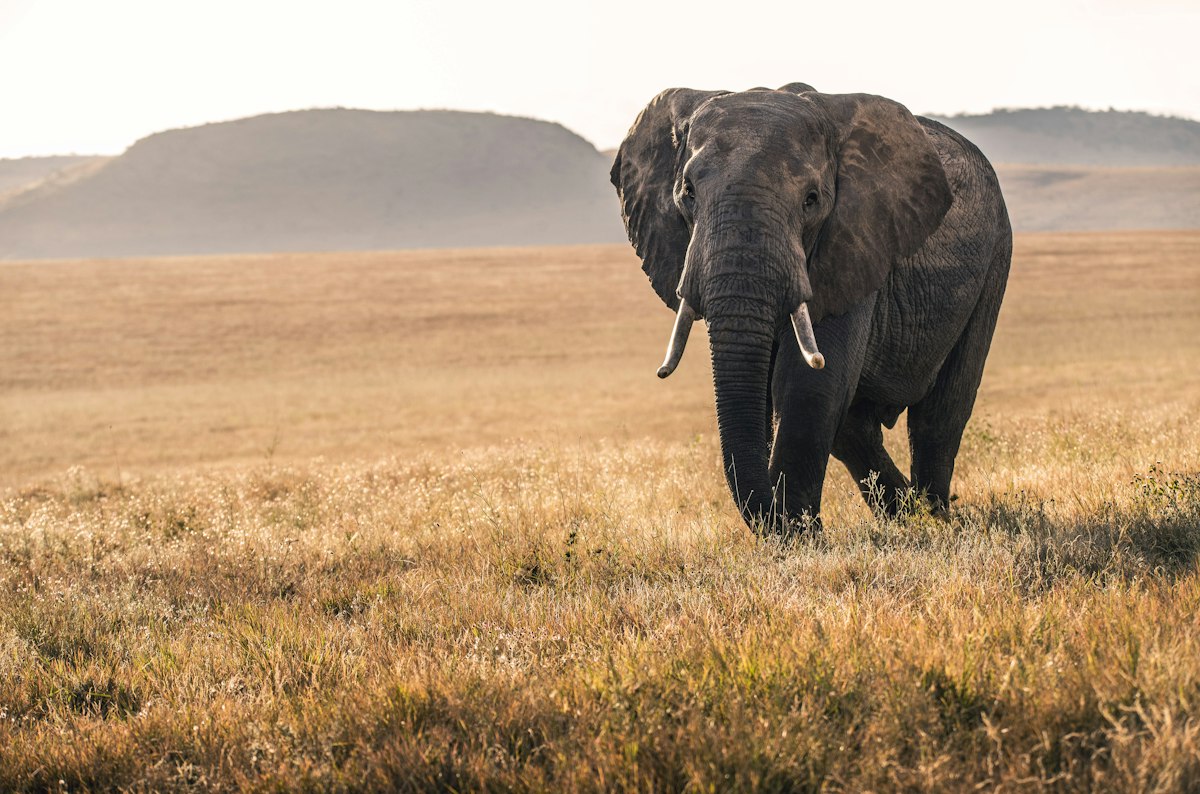
Africa · Tanzania
Ngorongoro Crater
The world's largest intact volcanic caldera — a natural Eden sheltering 25,000 animals including Africa's densest population of black rhino.
About Ngorongoro Crater
Ngorongoro Crater is a geological wonder and one of Africa's finest wildlife sanctuaries. The 260 km² crater floor forms a self-contained ecosystem where the Big Five roam freely within the ancient caldera walls. Unlike mobile populations elsewhere, the animals here are largely resident year-round, making it one of the most reliable destinations for rhino sightings in Africa. The crater rim sits at 2,286 metres, offering dramatic views across the caldera and the chance to witness both highland forest and open grassland ecosystems within minutes of each other.
Highlights
- Black rhino encounters
- Highest density of large mammals in Africa
- Year-round Big Five
- Hippo pools and flamingo-lined lakes
- Crater rim forest walks with views
Best Time to Visit
Year-round destination; June–September offers the clearest skies and best photographic conditions.
Weather & Seasons
The Ngorongoro Crater has a mild, highland climate moderated by its 2,286m rim altitude. The crater floor stays warmer than the rim but mornings can be cool year-round. Afternoon clouds and mist are common.
Cool Dry Season
Jun – Oct
Cool mornings on the rim, clear blue skies above the caldera, and excellent wildlife visibility on the crater floor.
Warm Dry Season
Jan – Feb
Warmer and drier with good sightings. Fewer visitors than peak season — often the best value period.
Short Rains
Nov – Dec
Light rains bring lush grass and dramatic clouds over the caldera. Excellent for photography.
Long Rains
Mar – May
Heavy rains can make crater access tracks muddy. Wildlife is still present but visibility is reduced.
Gallery


Tours and lodges for this destination are coming soon.