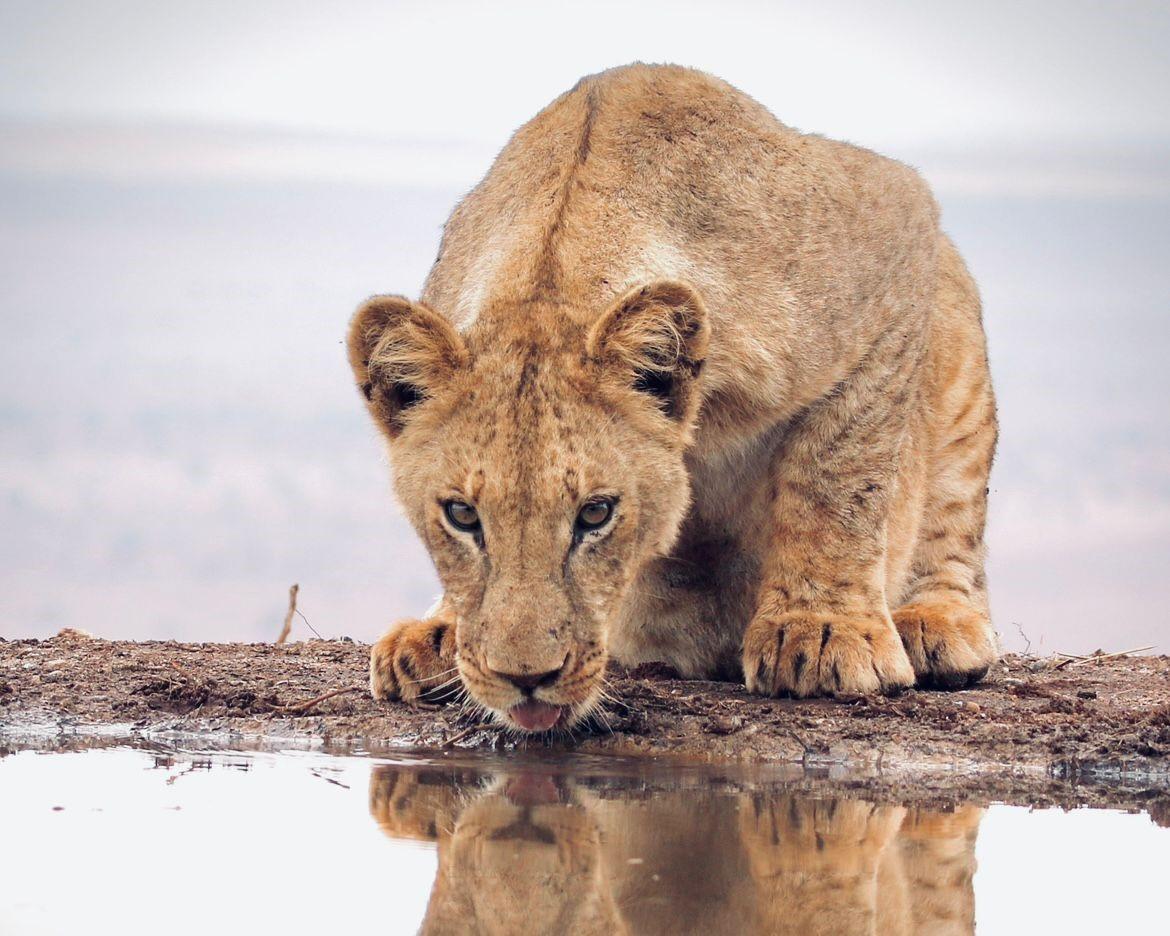
Africa · Kenya
Masai Mara National Reserve
Kenya's legendary reserve year-round big cats, the world's greatest wildlife spectacle at the Mara River, and exclusive private conservancies.
About Masai Mara National Reserve
The Masai Mara National Reserve in southwestern Kenya is widely regarded as one of the finest wildlife destinations in the world. It forms the northern corridor of the Serengeti–Mara ecosystem and hosts the breathtaking conclusion of the Great Migration from July to October, when massive herds cross the croc-filled Mara River. Outside migration season, the Mara delivers year-round big cat sightings it has the world's highest cheetah, lion, and leopard density and intimate safari experiences in its private conservancies.
Highlights
- Mara River crossing (Jul–Oct)
- World's highest big cat density
- Private conservancy experiences
- Walking safaris with Masai guides
- Hot air balloon over the plains
Best Time to Visit
July–October for Great Migration river crossings; January–February for dry season with excellent visibility.
Weather & Seasons
The Masai Mara experiences a typical savannah climate with two distinct dry seasons. Wildlife is excellent year-round, but the dry months concentrate game around the Mara and Talek rivers. The migration arrives from the south in July.
Migration Season
Jul – Oct
Clear skies, minimal rain, and excellent wildlife visibility. Peak season with the best game concentrations around water sources.
Dry Season
Jan – Feb
Warm and dry with very good wildlife viewing. Slightly fewer visitors than peak season.
Short Rains
Nov – Dec
Brief afternoon showers with lush green landscapes. Fewer tourists, excellent photographic light, and good birding.
Long Rains
Mar – May
Heavy rainfall makes some tracks impassable. Many camps close; great for birding and emerald-green landscapes.
Gallery


Tours in Masai Mara National Reserve

Discover Kenya’s Wild Heart in Luxury
Safari · 10
Masai Mara National Reserve, Kenya
From $11,998